6 Reasons Why Wealth Creation Matters

Many people ask, “Why wealth creation matters?” Some see wealth as simply accumulating money, while others associate it with luxury or status. In reality, wealth is much more than that. When created ethically and managed wisely, it becomes a powerful tool that provides security, creates opportunities, strengthens communities, and leaves a lasting legacy. Understanding why wealth creation matters helps individuals and investors make better financial decisions—not only for themselves but also for future generations. Whether you’re investing in real estate, starting a business, or building a diversified investment portfolio, wealth is ultimately about creating value that lasts. 1. Wealth Provides Protection Life is full of unexpected events, and financial resources help us respond with confidence rather than crisis. A well-known proverb reminds us that money provides protection. While wealth cannot eliminate every challenge, it gives individuals and families the ability to navigate life’s uncertainties. Financial resources are essential for: One of the greatest benefits of building wealth is having the capacity to meet responsibilities without constantly living under financial pressure. 2. Wealth Creates Freedom One of the greatest advantages of wealth is freedom. Financial independence allows people to make decisions based on purpose instead of necessity. With sufficient resources, you can: Many people never pursue their vision because they lack the financial capacity to act. Wealth expands your choices and gives you the freedom to build the life you imagine. 3. Wealth Improves Your Quality of Life Creating wealth enables continuous personal growth and development. It allows individuals to improve their living standards while investing in experiences and opportunities that create long-term value. This may include: Long-term investments—including property ownership—often play an important role in improving financial stability and overall quality of life. 4. Wealth Strengthens Communities and Economies Every generation benefits from the investments made by those who came before them. The roads we travel, the schools we attend, the hospitals we rely on, and the infrastructure that supports our daily lives exist because individuals, businesses, and governments invested in long-term development. When investors create wealth and reinvest it wisely, they contribute to: Across Africa, responsible investment in real estate and infrastructure continues to play a vital role in economic growth and urban development. 5. Wealth Gives You the Ability to Help Others Wealth is not simply about personal success. It also creates opportunities to improve the lives of others. Many people face circumstances beyond their control, including: Building wealth provides the capacity to support charitable causes, mentor entrepreneurs, create employment, and invest in initiatives that improve communities. True wealth multiplies its impact when it benefits others. 6. Wealth Creates a Lasting Legacy Perhaps the greatest reason to build wealth is to create opportunities for future generations. When each generation starts from a stronger foundation than the one before, families and communities can continue progressing instead of starting over. Generational wealth includes much more than financial assets. It also consists of: As the timeless proverb reminds us: “A good person leaves an inheritance for their children’s children.” A meaningful inheritance is not measured only in money but also in the systems, opportunities, and values that empower future generations to thrive. Building Wealth Through Smart Investments Wealth creation rarely happens by accident. It is the result of consistent planning, disciplined investing, and making informed financial decisions over time. For many investors, real estate remains one of the most effective ways to build long-term wealth because it has the potential to generate income, preserve value, and appreciate over time. The key is to begin with knowledge, invest strategically, and think beyond short-term gains. Conclusion Wealth is far more than personal accumulation. It provides protection during uncertainty, creates freedom to pursue meaningful goals, improves quality of life, strengthens communities, enables generosity, and builds a legacy that can benefit generations. When created ethically and invested wisely, wealth becomes a powerful force for sustainable development and lasting impact. The greatest question is not simply how much wealth you can create, but how many lives your wealth can improve.
Blockchain in African Real Estate: How Cryptocurrency Is Changing Property Investment
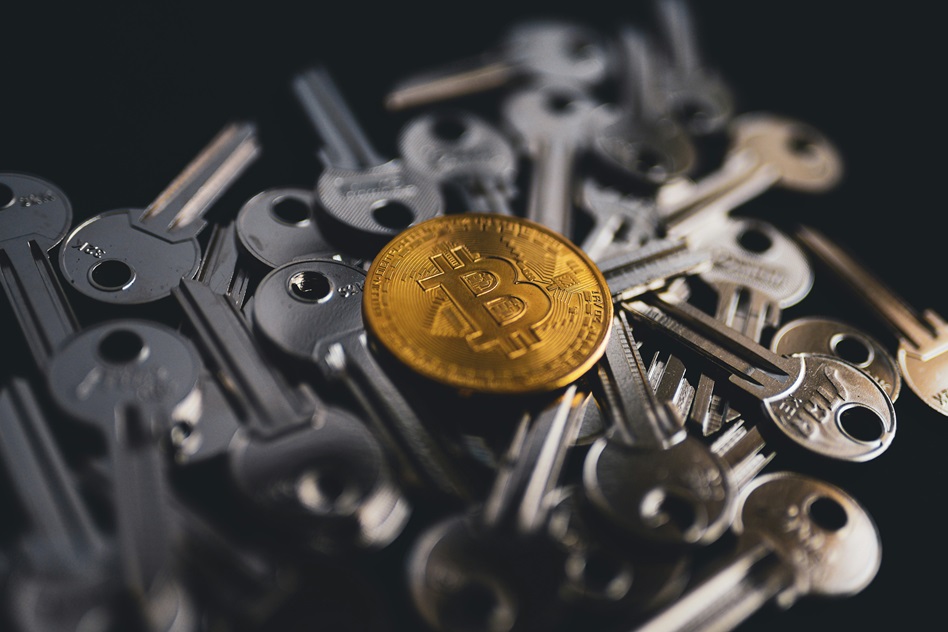
Understanding blockchain in African real estate is becoming increasingly important for investors, developers, homeowners, and anyone interested in the future of property markets. The worlds of cryptocurrency and real estate are becoming increasingly connected. While many people still view digital assets as complex or speculative, the technology behind them is beginning to reshape how property is bought, sold, financed, and owned. Although the adoption of cryptocurrency in Africa is still evolving, blockchain technology is creating new opportunities for more transparent, efficient, and accessible real estate transactions. Understanding Cryptocurrency: blockchain in African real estate For many people, cryptocurrency feels unfamiliar because it represents a different way of thinking about money. Years ago, photographs were printed, stored in albums, and shared physically. Today, they are digital—we capture them on our phones, store them in the cloud, and share them instantly. The same transformation happened with documents. Money is following a similar path. While physical cash still exists, much of today’s financial activity already happens electronically. Cryptocurrency is one form of digital money that allows users to store, transfer, and exchange value securely online. Popular cryptocurrencies include: Many governments are also exploring Central Bank Digital Currencies (CBDCs), reflecting the growing importance of digital finance worldwide. What Is Blockchain Technology? Blockchain is the technology that powers cryptocurrencies. Think of it as a digital ledger that securely records transactions across multiple computers instead of relying on a single central database. Because every transaction is verified and permanently recorded, blockchain provides: Much like the internet transformed communication, blockchain has the potential to transform how ownership and transactions are verified. How Blockchain Is Transforming African Real Estate The relationship between blockchain and real estate extends far beyond cryptocurrency payments. Developers, investors, and technology companies are exploring ways blockchain can improve the property industry by making transactions faster, more transparent, and easier to verify. Potential applications include: These innovations can help reduce paperwork while increasing trust among buyers, sellers, and investors. Real Estate Tokenization Explained One of the most exciting developments is real estate tokenization. Tokenization converts ownership of a physical property into digital tokens recorded on a blockchain. Instead of purchasing an entire apartment building, investors can purchase a fraction of it through digital ownership units. This approach offers several benefits: Lower Investment Requirements People can invest with significantly smaller amounts of capital. Greater Accessibility International and diaspora investors can participate in African property markets more easily. Increased Liquidity Digital ownership interests may be easier to transfer than traditional property shares, although liquidity depends on local regulations and available marketplaces. Why This Matters for African Property Markets Traditional real estate transactions often involve lengthy documentation, multiple intermediaries, and extended settlement periods. Blockchain technology has the potential to simplify parts of this process by making ownership records more secure and transaction histories easier to verify. For Africa’s rapidly growing property sector, this could mean: While widespread adoption will depend on regulatory frameworks and infrastructure, the technology offers promising possibilities for modernizing property markets. Challenges of Cryptocurrency in Real Estate Despite the opportunities, blockchain adoption also comes with challenges. Some of the most significant include: Regulatory Uncertainty Many countries are still developing legal frameworks for digital assets and blockchain-based property transactions. Price Volatility Cryptocurrencies can experience significant price fluctuations, which may affect transactions if not managed carefully. Security Risks Although blockchain itself is highly secure, digital wallets and exchanges can still be vulnerable to cyber threats if users do not follow good security practices. Tax and Legal Compliance Property transactions involving cryptocurrency may trigger complex tax obligations and legal requirements that vary by jurisdiction. What Is Crypto Mining? Crypto mining is the process of validating transactions and securing certain blockchain networks. A useful comparison is gold mining. Instead of extracting minerals from the earth, miners use specialized computers to solve complex mathematical problems. As a reward, they may receive newly created cryptocurrency while helping maintain the security and integrity of the blockchain network. Not all cryptocurrencies rely on mining; some use alternative validation methods designed to reduce energy consumption. Looking Ahead The relationship between cryptocurrency and real estate continues to evolve. As blockchain technology matures and regulations become clearer, digital assets may play a growing role in property investment, financing, ownership verification, and transaction management. For investors interested in Africa’s expanding real estate market, understanding these innovations today can help prepare them for tomorrow’s opportunities. The future of real estate may not be entirely digital—but it is increasingly digital-enabled. Frequently Asked Questions Can cryptocurrency be used to buy property in Africa? In some African countries and jurisdictions, property transactions involving cryptocurrency are possible, but adoption remains limited and regulations vary. Buyers should always confirm local legal and tax requirements before proceeding. What is real estate tokenization? Real estate tokenization is the process of representing ownership in a property as digital tokens on a blockchain, allowing multiple investors to own fractional interests in the same asset. Is blockchain replacing traditional property ownership? No. Blockchain is not replacing property ownership. Instead, it offers new ways to record, verify, and transfer ownership more efficiently where legal and regulatory frameworks support its use.
What Smart Real Estate Investors in Africa Look For
When founders and property developers talk about raising capital, the conversation often starts—and ends—with money. But experienced real estate investors in Africa know that the right investor offers far more than funding.
Emerging Market: Why More Investors Are Looking to Africa

High income doesn’t always equal long-term security. This article explores why global investors are turning to emerging market real estate in Africa to build ownership, resilience, and sustainable wealth beyond earnings.
HOW WEALTHY ARE YOU? UNDERSTANDING TRUE WEALTH

When the Love of money sets in, money becomes an idol, and evil becomes the norm. The Love of money brings the desire to do anything good or evil to gather money.
How your money can achieve two important goals

Whenever you buy into a property on the GrowMyHome website, there are two benefits. The first benefit is that you become the owner of an income-earning asset that will earn you a return on investment. The second benefit is that your money goes on to make a social impact. Here’s how that works. Profit GrowMyHome brings verified properties to your fingertips. We eliminate the risks and make it safe for you to invest in these properties. Your investments into these properties enable you to earn from the properties. When these properties are rented out, the rental proceeds are shared with you in proportion to your ownership level. For instance, if you own 100% of the property, you get 100% of the net rental income. If you own 5% of the property, you earn 5% of the rental income and so on. In addition, the properties gains value through upgrades and value appreciation and over time these upgrades add a lot of value to the property. A time comes when the property is sold for profit. You also get to earn very decent returns from this. Impact For each successful deal, you make profit and we at GrowMyHome also make our own share of profits. We use a portion of our profits to develop new houses. These houses will be rented or sold to buyers and tenants as affordable homes, making it possible for individuals and families to rent or own a decent roof over their heads. Furthermore, while we are developing these houses, we employ workers from the communities to carry out a wide range of roles, tasks and skills. Each house we build creates between 100 to 200 temporary jobs, and groups of houses create some permanent jobs too. Also, housing projects create income for suppliers of building materials and services. This too, helps families put food on their tables. The more houses we can build the more families we can support, and the more communities we can develop. That’s impact! So in essence your investments create returns for you, and enable the development of affordable Housing for our communities.