African Real Estate Investment Opportunities: Practical Funding Paths

African real estate investment opportunities are no longer limited to large institutions or high-net-worth individuals. Today, investors at every financial level can participate in property development across Africa through structured, lower-risk funding models.
African Housing Market: 5 Smart Investor Signals
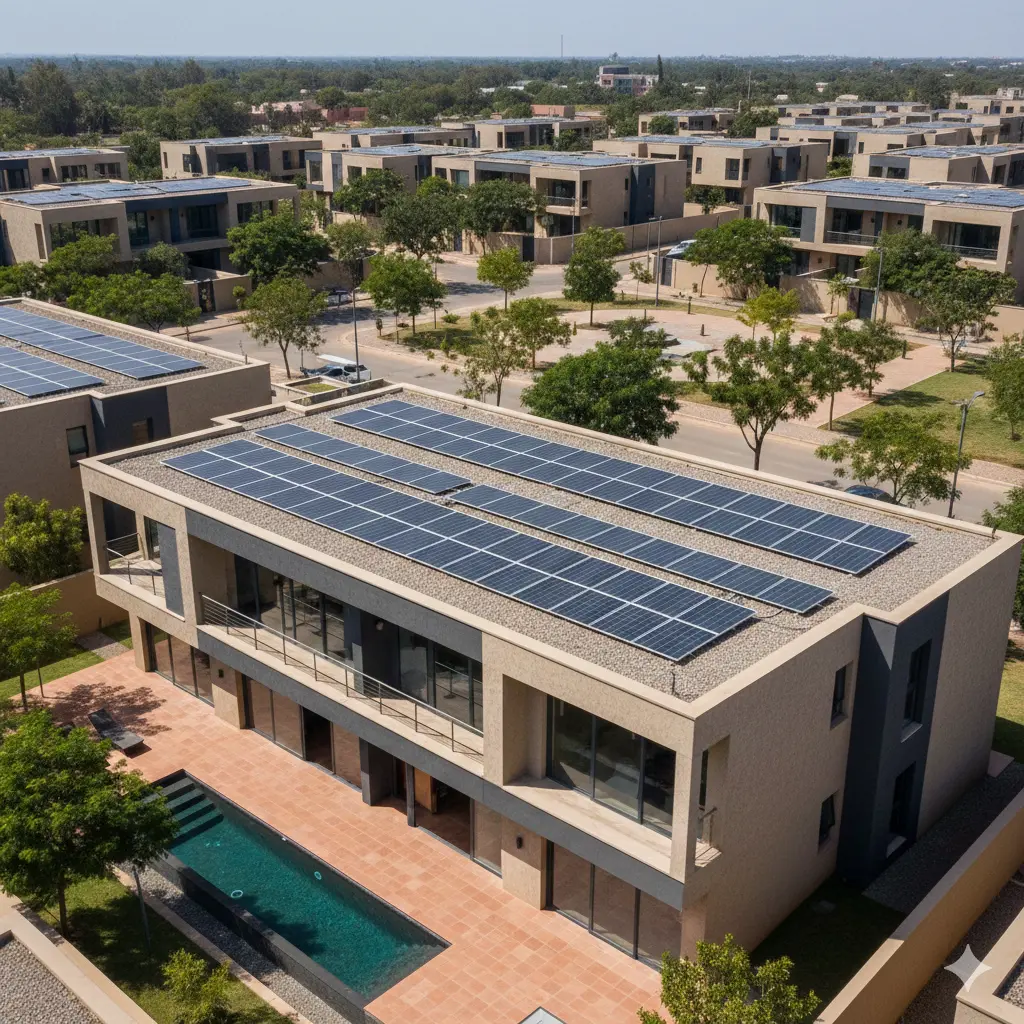
The African housing market is entering a new phase of growth driven by technology, sustainability, and innovative ownership models. The African housing market trends shaping today’s real estate landscape are redefining how global investors approach long-term property growth. Driven by innovation, sustainability, and new ownership models, Africa’s housing sector is opening doors for investors at every financial level. From renewable energy-powered estates to flexible ownership structures, the continent is laying the foundation for a more accessible, efficient, and investor-friendly housing future. Below are five housing trends reshaping real estate across Africa and creating new opportunities for buyers and investors worldwide. 1. Solar-Powered Communities Lead African Housing Market Trends Energy reliability remains a major consideration for property buyers across Africa. As a result, solar-powered residential estates are rapidly gaining popularity. These developments: For investors, energy-efficient communities offer stronger tenant demand and improved resale potential, especially in urban and peri-urban areas. 2. Smart Homes Reshaping African Housing Market Trends Smart home technology is transforming how residents interact with their homes. Features such as: are no longer luxuries—they are fast becoming expectations in new developments. Homes with integrated smart technology tend to attract higher-income tenants and tech-savvy buyers, making them a strategic addition to any African real estate portfolio. 3. Affordable Prefabricated Housing Is Scaling Fast Prefabricated construction is solving two major challenges at once: housing shortages and affordability. Prefab buildings offer: This trend is especially important for investors targeting mass housing, workforce accommodation, and emerging urban corridors where demand continues to outpace supply. Interested in investing in Africa the smart way? Explore vetted housing developments, fractional ownership options, and future-ready estates designed for long-term growth. 👉 Discover opportunities on GrowMyHome Africa 4. Fractional Ownership Is Opening Doors for New Investors One of the most exciting developments in Africa’s property market is fractional real estate ownership. This model allows investors to: Fractional ownership is empowering younger and first-time investors to participate in vetted developments and build wealth progressively—without waiting years to raise full purchase capital. 5. Walkable, Mixed-Use Estates Are Redefining Community Living Urban planning across Africa is shifting toward walkable, mixed-use communities where residents can live, work, and socialize within the same environment. These estates typically feature: For investors, walkable developments often enjoy higher occupancy rates, longer tenant retention, and strong appreciation over time. The Future of African Housing Is Already Here These housing trends are not projections—they are already shaping developments across the continent. Investors who position themselves early benefit from: Africa’s housing future is being built today, and the strongest portfolios will belong to those who understand where the market is heading. At GrowMyHome Africa, we track emerging housing trends and connect investors to vetted real estate opportunities across Africa. Ready to enter the African property market with confidence? Whether you’re a first-time buyer or a global investor, GrowMyHome Africa connects you to trusted developments and innovative ownership models across the continent. 👉 Start your investment journey today
8 TIMELESS LESSONS FOR AFRICAN REAL ESTATE INVESTING

What Is African Real Estate Investing? African real estate investing refers to the purchase, development, or holding of property across African markets to build long-term wealth through appreciation, rental income, or land value growth. It attracts both local and global investors because of affordability, population growth, and expanding infrastructure. African real estate investing is not reserved for billionaires or large institutions. In fact, many successful investors begin with modest capital but strong discipline and long-term thinking. For example, when Phina bought her first plot of land at just 26, she didn’t have millions in the bank. Instead, she relied on patience, consistency, and a clear vision. At the time, saving meant saying no to short-term pleasures her peers enjoyed. However, she understood something many overlook — the power of time in real estate. Rather than selling quickly, she developed the property, allowed its value to grow, and reinvested strategically. As a result, that single decision became the foundation of her wealth just five years later. Interestingly, Phina’s approach mirrors the same principles used by the world’s ultra-rich. So, what truly separates the wealthiest investors from everyone else? It’s not simply capital. Instead, it’s mindset, discipline, and the ability to think long-term — especially in emerging markets like Africa. According to a BusinessDay analysis, the world’s most successful investors follow eight timeless lessons. More importantly, these principles apply whether you’re buying your first property or managing a global portfolio. 1. Wealth Starts With a Growth Mindset First and foremost, wealth begins in the mind. Many ultra-high-net-worth individuals started as professionals or entrepreneurs. Over time, they reinvested both effort and capital consistently. Similarly, investors in African real estate benefit when they focus on learning markets rather than chasing quick wins. 2. Compounding Works Best With Patience Compounding is more than mathematics. In practice, the ultra-rich allow investments to grow uninterrupted. Even during market downturns, they stay invested. Consequently, real estate assets — especially land — gain value as infrastructure and demand increase. 3. Take Risks, But Only After Due Diligence Every investment carries risk. However, successful investors take calculated risks backed by research. For instance, opportunities in emerging African cities may offer high returns, but only when legal checks, location analysis, and long-term goals align. 👉 Explore vetted opportunities: 4. Flexibility Strengthens Investment Strategy Markets change. Therefore, flexibility becomes a competitive advantage. When one asset class overheats, wealthy investors pivot into alternatives such as real estate, private debt, or new sectors. Likewise, Africa’s diverse markets allow investors to rebalance intelligently. 5. Think in Decades, Not Months Short-term thinking limits wealth. By contrast, ultra-rich investors plan across generations. They use long-term structures to preserve value. As a result, African property investments reward those who hold patiently rather than exit prematurely. 👉 Learn about long-term homeownership: 6. Address Underperformance Early Long-term investing does not mean ignoring failure. Instead, poor-performing assets are reviewed regularly. When necessary, they are improved, restructured, or exited. Ultimately, capital must remain productive at all times. 7. Control Emotional Decision-Making Even experienced investors face emotional bias. For this reason, the ultra-rich rely on advisors, data, and structured decision-making. By doing so, they reduce fear-based or impulsive choices. 👉 Why guidance matters 8. These Principles Apply at Any Level Finally, you don’t need vast wealth to benefit from these lessons. With the right mindset, patience, and structure, investors at any level can build resilient portfolios. In fact, African real estate remains one of the most accessible long-term wealth vehicles globally. Is African Real Estate a Good Investment? Is African Real Estate a Good Investment? African real estate can be a strong long-term investment due to rapid urbanization, population growth, and increasing housing demand, especially when investors focus on verified locations, legal clarity, and long-term holding strategies. Why These Lessons Matter Taken together, these principles help investors: Your Next Step Now that you understand these lessons, choose one and apply it this week. Ask yourself whether you’re investing for short-term gains or building lasting value. If you’re ready to approach African real estate investing with clarity and structure, GrowMyHome Africa is here to guide you. 👉 https://growmyhome.africa/contact
How Patient Capital Is Unlocking Affordable Real Estate Investment in Africa

Patient capital in African real estate is reshaping how property investment works across the continent, creating opportunities that serve both global investors and Africa’s growing middle class. Instead of prioritizing fast exits and short-term gains, this long-term funding approach aligns real estate development with real income realities, unlocking affordable housing, stable returns, and sustainable economic growth in some of the world’s most promising markets.
Money Raising 1: Start With What You Have

Most people delay promising investment ideas not because they lack vision, but because they believe funding must come first. In reality, many successful journeys in investing in African real estate begin long before external capital is involved.
How to manage real estate investing risks

Every opportunity comes with its elements of risks. Some come with high risks and others are low risk. The level of rewards is typically dependent on the level of risk. Real estate is generally classified as a low risk sector, but It does have its own share of potential risks. Understanding these risks will help you to reduce your exposure to them. Here are some risks associated with real estate All of these risks can be managed by acknowledging them understanding them and planning for them. How to manage these risks… Overall, the real estate sector is cyclical by nature. It has ups and downs. Experienced real estate investors have gone through three, four or even five cycles in their lifetime. The secret is that after each down cycle, there mostly comes up cycles that will exceed the previous peak. Hence overall, long term, the property will generally grow in value over time, making it a good investment