Real Estate Financing in Africa: Is Debt a Growth Tool or a Risk?
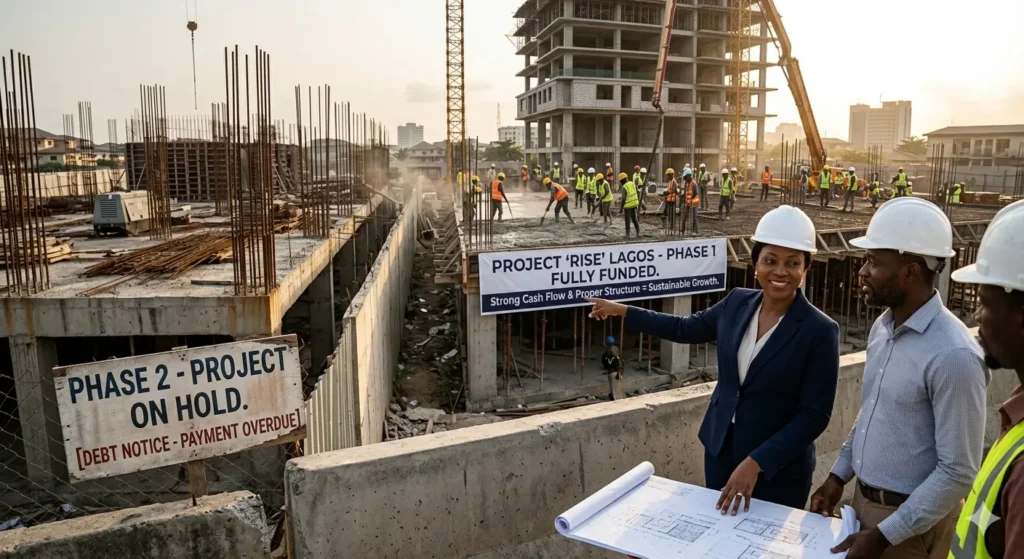
In business, debt is neither good nor bad—it is simply a tool. For developers and investors navigating real estate financing in Africa, the real question is not whether to use debt, but how to use it wisely. Used strategically, debt can accelerate growth and unlock larger opportunities. Used carelessly, it can quietly erode profits and destabilize entire projects. The difference comes down to one critical factor: cash flow discipline. When Debt Makes Sense in Real Estate Financing Debt becomes a powerful growth tool when it is structured with intention and backed by realistic financial planning. In most successful projects, financing works best when: If your cash flow can comfortably cover repayments—even during slower periods—debt can help you scale faster than relying on savings alone. However, if repayment depends on “expected” or uncertain future sales, the risk increases significantly. At that point, it is no longer strategic financing—it is speculation. Common Types of Real Estate Financing in Africa There are several structured financing options available to developers and investors across African markets. Each serves a different purpose depending on the size, timeline, and nature of the project. Bank Loans Traditional financing provided by commercial banks, often used for large-scale developments or property acquisition. Cooperative Loans Community-based lending structures that may offer lower interest rates and more flexible terms. Microfinance Short-term, smaller loans designed to support small businesses and early-stage property ventures. Supplier Credit Deferred payment arrangements with contractors or vendors, allowing projects to move forward without immediate full payment. Asset-Backed Financing Loans secured by physical assets such as land, buildings, equipment, or receivables—common in structured real estate deals. Choosing the right type of financing is not about availability—it is about alignment with your project’s timeline and cash flow structure. The Biggest Financing Mistake to Avoid One of the most common and dangerous mistakes in real estate financing is simple: Never use short-term debt to fund long-term projects If a project will take 18–24 months to generate returns, it cannot safely rely on a 3–6 month repayment structure. This mismatch creates unnecessary pressure, increases default risk, and can force premature decisions that harm the project’s long-term value. In real estate, structure must always match strategy. How to Use Debt Without Putting Your Project at Risk Smart investors approach financing with discipline and foresight. Before taking on debt, consider: These questions help ensure that financing supports growth rather than creating pressure. Action Step: Evaluate Before You Borrow Before committing to any loan, pause and ask one critical question: Can this project comfortably service the debt—even if revenue is slower than expected? If the answer is uncertain, revisit the structure. Refining your financing approach early can prevent costly mistakes later. The Bottom Line for Investors and Developers Debt, when used correctly, is a powerful growth tool. But without discipline, it becomes a silent risk. For anyone navigating real estate financing in Africa, success lies in balancing ambition with structure. Smart financing does more than fund projects—it protects your future while helping you build it.
Real Estate Grants in Africa
Not all funding comes with repayment schedules or interest rates. In many cases, the most strategic capital available to developers and entrepreneurs comes in the form of real estate grants in Africa, sponsorships, and support funds. These funding sources are designed to fuel impact, innovation, and sustainable development—especially in emerging markets where housing, infrastructure, and community growth are critical. For global investors, developers, and social entrepreneurs, this creates a powerful opportunity: scale meaningful projects without the burden of debt. Why Grants and Support Funds Matter in Real Estate Unlike traditional financing, grants and sponsorships are not just about returns—they are about outcomes. They are typically awarded to projects that: In Africa’s rapidly growing cities, these funding sources are becoming increasingly important in supporting affordable housing, smart urban development, and sustainable real estate projects. What Real Estate Grants in Africa Typically Support Grant providers and sponsors often align around key impact areas. If your project fits into one or more of these, your chances of securing funding increase significantly. Social and Economic Impact Projects that improve living conditions, increase access to housing, or uplift underserved communities. Innovation and Problem-Solving New approaches to construction, financing, or urban development—especially scalable solutions. Job and Skills Creation Developments that generate employment or build local capacity. Community Development and Inclusion Projects that prioritize accessibility, inclusion, and long-term community value. Whether your focus is housing, infrastructure, or mixed-use developments, there are funding opportunities actively seeking solutions like yours. Common Sources of Real Estate Grants in Africa Funding opportunities come from a wide range of institutions, each with different priorities and application processes. Government Programs Many African governments and housing agencies offer grants to support urban development and affordable housing initiatives. Foundations and Nonprofit Organizations Global and regional foundations often fund projects focused on housing, sustainability, and community impact. Development Institutions Organizations like the African Development Bank and the World Bank provide funding and support for large-scale development and housing projects. Corporate Social Responsibility (CSR) Initiatives Private companies invest in real estate and community projects as part of their social impact programs. Pitch Competitions and Challenge Funds Many global platforms offer funding through competitions focused on innovation, sustainability, and urban development. What Funders Look for in Grant Applications Securing funding is not just about having a great idea—it’s about presenting a structured, credible plan. Successful applicants typically demonstrate: In short, funders invest in clarity, structure, and execution—not just vision. How to Position Your Project for Grant Funding Before applying for any grant or sponsorship, take time to refine your core message. Start by answering three key questions: This clarity will strengthen not only your grant applications but also your investor conversations and project strategy. Action Step: Build Your Funding Foundation Take a few minutes to write one clear, compelling paragraph that explains: This single paragraph can become the foundation for your: Start with clarity. Build with purpose. Grow with impact. Continue the Series Next Article: Part 6 — Loans & Structured Finance
What Smart Real Estate Investors in Africa Look For

When founders and property developers talk about raising capital, the conversation often starts—and ends—with money. But experienced real estate investors in Africa know that the right investor offers far more than funding.
Customer-Funded Real Estate Growth in Africa

Customer-funded models allow African real estate projects to grow using advance payments and demand-driven funding instead of loans or dilution.
How Friends, Family & Community Can Do Real Estate Financing

Community capital has funded homes, farms, and businesses across Africa for generations. Here’s how investors can structure it responsibly for real estate growth.
How Patient Capital Is Unlocking Affordable Real Estate Investment in Africa

Patient capital in African real estate is reshaping how property investment works across the continent, creating opportunities that serve both global investors and Africa’s growing middle class. Instead of prioritizing fast exits and short-term gains, this long-term funding approach aligns real estate development with real income realities, unlocking affordable housing, stable returns, and sustainable economic growth in some of the world’s most promising markets.