They loved the house, but they still walked away. Find out why

During a recent leadership meeting one of our partners shared a fascinating story. They had built a 35-unit apartment development in an African Nation and offered the units through a rent-to-own model.The response was surprising. The buyers loved the apartments. They loved the concept. They loved the homes. They loved the opportunity. But they refused to buy. Why?They believed it was too good to be true. They assumed there must be a catch. Something hidden. Something they hadn’t discovered yet. So, instead of taking the opportunity, they walked away. That story stayed with us. Because sometimes, the biggest obstacle standing between people and homeownership isn’t the absence of an opportunity.It is the inability to imagine a different way of getting there.The mindset of “bulk money”For generations, the path to homeownership in much of Africa has followed a familiar pattern.If you want to own a house, first you need a large amount of money.You save. You raise capital. You buy land. You build.If you don’t have the capital, you rent. This cycle has shaped how many people think about property ownership.Even Africans living in the diaspora often carry the same mindset. They work hard, save and wait for the day when they will have enough “bulk money” to buy land or build a house.But what if that isn’t the only way? What if ownership doesn’t have to begin with a large pile of money?What if you could start small? Sometimes, simplicity is difficult to believe At GrowMyHome, our model is simple. Very simple. We break property ownership into smaller, more accessible units, allowing you to participate incrementally rather than having to find a large amount of capital upfront.Rent-to-own allows you to move toward owning a home step by step.Fractional ownership can allow you to own smaller portions of real estate and gradually build their property portfolio over time.Co-Developer allows you to participate in a real estate development regardless of your location. The concept sounds simple.Yet, as the above African Nation story demonstrated, simple does not always mean easy to accept. Sometimes, a new possibility requires a new mindset. Here are four mindset shifts on the road to ownership 1. From quick returns to sustainable wealthWe live in a world obsessed with speed. Instant results. Quick profits. Fast growth. Yes, there are a few paths to quick returns, but real estate teaches us something different.Some of the most meaningful things in life are built slowly.Property is generally a long-term asset. It isn’t necessarily about making money tomorrow. It can be about creating something that continues to hold value and generate benefits over many years and generations. Many people who build wealth through other businesses or professions eventually look for ways to preserve and diversify that wealth through long-term assets.The lesson?Don’t confuse slow with unsuccessful.Sometimes slow is exactly what sustainable wealth looks like. 2. From short-term thinking to long-term thinkingOwnership doesn’t always happen in one giant leap. Sometimes it happens one step at a time. One contribution. One unit. One investment. One piece at a time.Think of a mountain. You don’t move a mountain with one shovel.You move it shovel by shovel. That is the power of incremental progress.John D. Rockefeller is often credited with emphasizing the power of incremental growth. Whether in wealth, business or personal development, the principle remains powerful:Small actions, repeated consistently, can produce extraordinary outcomes over time.The question isn’t always:“Do I have enough to buy the whole thing?”Sometimes the better question is:“What can I own today that moves me closer to owning more tomorrow?” 3. From “I can’t afford it” to “Where can I start?”One of the most powerful barriers to ownership is the belief that you must have enough money to own the whole asset. Fractional ownership challenges that assumption.You may not be able to buy an entire building today. But perhaps you can begin with a portion. And that portion is still ownership.That is important. Ownership isn’t only about the size of the asset. It is also about taking that first step from simply consuming an asset to participating in owning one.From tenant to owner. From waiting to participating.From “one day” to “I have started.” 4. From local ownership to global participationFor a long time, property ownership was closely tied to geography. You had to be there, see the land, touch the building and live nearby.Technology is changing that.Today, people can participate in opportunities far beyond their immediate location.For Africans in the diaspora, this creates an especially interesting possibility: the ability to participate in property opportunities in their home countries while living thousands of kilometres away.And more broadly, technology is creating new ways for people to participate in assets across borders.The world is becoming more connected, and ownership is evolving with it. Why real estate still mattersSome people say real estate is archaic. They prefer other ways of wealth creation. We do not debate that there are multiple ways, but we say real estate is still very important. Technology may change how we live, work and invest. Artificial intelligence may transform entire industries. But some needs remain remarkably constant.People still need homes to live in. Businesses still need places to operate. Communities still need infrastructure.And even the rise of AI is creating demand for physical infrastructure, including massive data centres to house equipment, batteries etc.The digital economy still needs physical space.Real estate remains part of the foundation on which our physical world is built. Maybe the first thing you need to build is not a house. Maybe it’s a new way of thinking about ownership. Perhaps your question shouldn’t always be: “When will I have enough money to buy a house?” Perhaps it should be:“How can I begin my journey toward ownership today?”That is the mindset shift.From bulk money to incremental ownership.From quick returns to sustainable wealth.From short-term thinking to long-term building.From high barriers to starting somewhere.From local limitations to global participation.And perhaps most importantly: From believing that ownership is for “people like them” to believing that ownership can begin with you.The buyers in the African Nation above loved the opportunity. They simply couldn’t yet believe it was
How to Identify Useful Information Before Making Financial Decisions
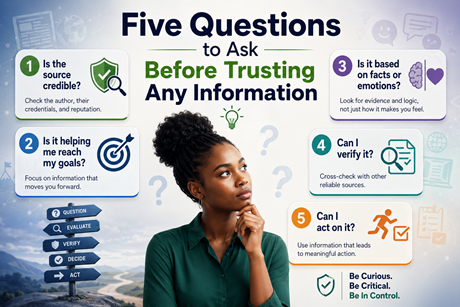
Learn how to identify useful information so you can make smarter financial, property, and investment decisions while avoiding information overload.
Build Your Dream Future: A Step-by-Step Guide to Building Your Own Home
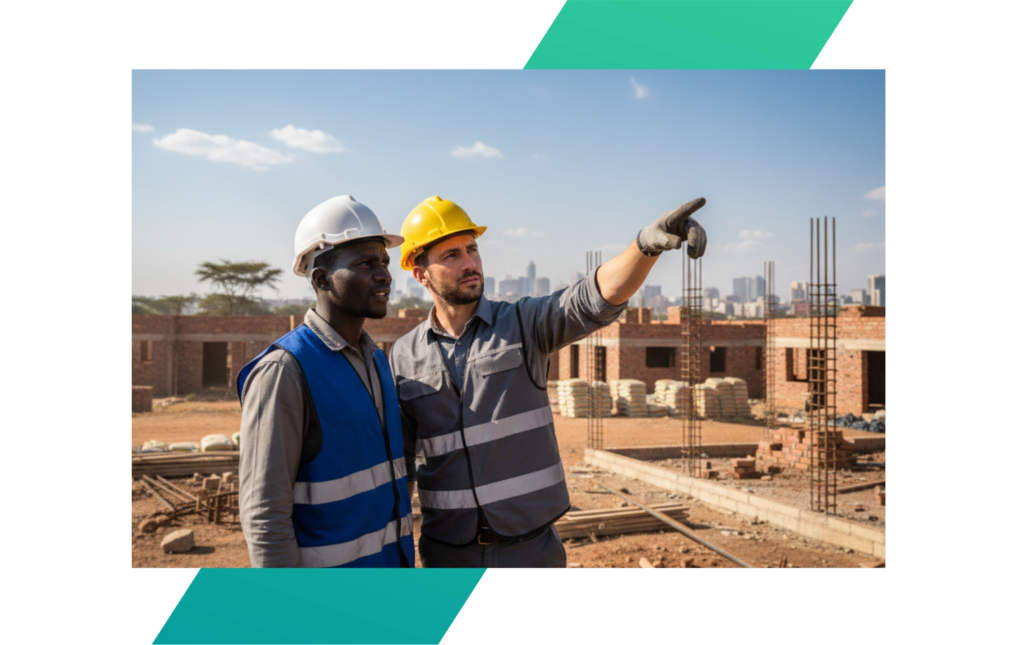
To build your dream future, you need more than a vision—you need a plan that transforms your aspirations into reality. For many people, building a home is one of the most meaningful investments they will ever make. It is more than owning property; it is about creating a space that reflects your values, your lifestyle, and the future you want for yourself and your family. Across Africa and beyond, more people are choosing to build rather than buy. Some want greater control over quality, others are looking for a more cost-effective approach, while many simply want the satisfaction of saying, “I built this.” Why Building Your Own Home Helps You Build Your Dream Future Building your own home is about more than construction. It is about making intentional decisions that support your long-term goals. Whether your dream is financial security, a comfortable family home, or a lasting legacy, every brick laid brings you one step closer to achieving it. The journey begins with a single decision: to take action. Build Your Dream Future by Starting with a Clear Plan You do not need to be an architect or an engineer to begin. What you need is: Building a home is not simply about bricks and cement. It is about vision, preparation, and consistent execution. Build Smart Before You Build Big One of the biggest mistakes homeowners make is rushing into construction before proper planning. Successful home builders usually focus on three essentials. Plan Every Stage Carefully Develop a realistic timeline, understand the building process, and prepare for each phase before construction begins. Understand Your Budget Know exactly how much you can afford and include a contingency fund for unexpected expenses. Work with Trusted Professionals Choose qualified architects, engineers, contractors, and other professionals who can help you avoid costly mistakes. Careful planning today can save significant time and money tomorrow. You Don’t Have to Build Alone Although it is your dream home, building it is a team effort. Throughout the process, you may work with: Your responsibility is not to do every job yourself. Instead, your role is to make informed decisions, ask the right questions, and ensure the project stays aligned with your vision. Stay in Control of Your Budget One of the greatest advantages of building your own home is having greater control over costs. However, this advantage only exists if you remain disciplined throughout the project. Track Every Expense Monitor spending regularly so you always know where your money is going. Avoid Unnecessary Design Changes Frequent changes during construction often increase costs and delay completion. Stick to Your Original Plan Every financial decision should move you closer to completing your home—not further away. Watching Your Dream Become Reality One of the most rewarding moments in the building journey is seeing the transformation. Walls become rooms. Rooms become living spaces. A construction site becomes a place filled with memories, family, and purpose. That transformation is more than physical—it represents years of planning, discipline, and determination. Your Next Step to Build Your Dream Future Every successful home begins with a decision. Ask yourself: Write your answers down. A written plan is often the first step toward turning dreams into reality. The Bottom Line To build your dream future, you do not need perfection—you need commitment. Building your own home will challenge you, teach you valuable lessons, and reward you with something truly personal: a place you can proudly call your own. At GrowMyHome, we believe every great home starts with informed decisions and careful planning. Whether you’re purchasing land, exploring financing options, or preparing to build, the right guidance can make your journey smoother and more rewarding. Your dream future starts with the first step you take today. Your journey starts now.If you’re ready to take the next step, we’re here to guide you every step of the way. Sign up for the Basic Building Program
Emerging Market: Why More Investors Are Looking to Africa

High income doesn’t always equal long-term security. This article explores why global investors are turning to emerging market real estate in Africa to build ownership, resilience, and sustainable wealth beyond earnings.
How Caring for Your Home Grows Its Value

The true value of your property grows—or shrinks—based on how you care for it over time. Buying a home is one of the biggest investments most people will ever make. But what many don’t realize is that owning a home is just the beginning.
The African Housing Future: 5 Trends Every Buyer Should Watch

Across the continent, innovation and technology are redefining homeownership. Here are five housing trends shaping the future.